Greyhound Mom: Embroidery Design Review
There is a certain quiet pride that comes with being a dog mom—especially a Greyhound mom. When I first opened the Greyhound Mom design file, I immediately felt that blend of understated elegance and genuine affection. It is not a flashy, over-the-top graphic. It feels more like a personal statement, the kind of thing a real Greyhound owner would wear or carry every single day. As someone who reviews design assets and tests them in real embroidery projects, I look past the initial preview and ask: How will this stitch out? Will it make a client smile? Can it hold up on a well-loved tote bag or a washed sweatshirt? This review is my honest, practical take on using Greyhound Mom in actual embroidery work.
First Look: The Mood and Personality of the Design
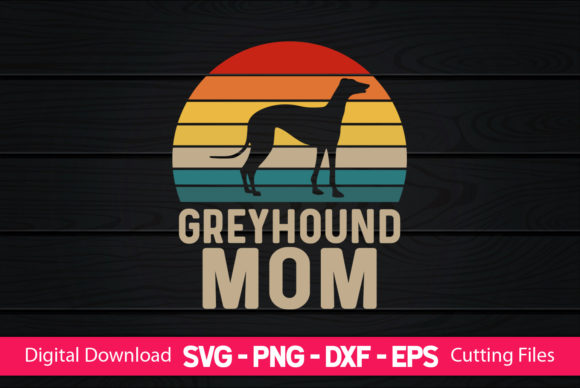
The composition is clean, centered, and intentionally simple. That is a strength, not a weakness. The phrase “Greyhound Mom” usually sits alongside a sleek greyhound silhouette, sometimes with a small heart or a delicate accent. There is no clutter. The lettering tends to be a friendly script or a gentle sans-serif that reads well at a glance. For an embroidery designer, this kind of layout is a gift. It means the design can translate into stitches without losing its soul. The silhouette of the greyhound—those long legs, the arched back, the refined head—is what makes the design instantly recognizable. For anyone who knows the breed, the shape alone triggers an emotional response. That recognition is gold when you are creating a product for a niche audience.
What I appreciate most is the restraint. It does not scream. It whispers, “I love my dog.” And in a handmade product, that whisper often sells better than a shout. The mood is warm, loyal, and a little bit elegant. It fits right into the kind of boutique items you would see at a craft fair, a specialty pet shop, or a curated Etsy storefront.
Real-Life Scenario: A Custom Tote Bag for a Greyhound Mom
Let me walk you through a recent project. A client wanted a personalized gift for her sister, a devoted Greyhound mom who volunteers at a rescue. The brief was simple: a canvas tote bag she could use for grocery runs, dog park trips, and carrying Greyhound-related gear. I loaded the Greyhound Mom SVG file into my digitizing software. The design came from a Print Templates / Graphics bundle, so the lines were crisp and ready for conversion. I chose a medium-weight natural canvas in a soft oat color. The plan was a single-color embroidery in a deep charcoal thread, almost like a stamped look, with a touch of warmth.
After setting up the hoop and a sturdy cut-away stabilizer, I ran a test stitch on scrap canvas. The greyhound silhouette stitched out beautifully as a satin stitch outline with a light fill for the body. The lettering needed a slight adjustment in the digitizing stage—I thickened the thinnest parts of the script by about 0.3 mm to prevent thread breaks and ensure legibility. That is a typical step when working with cutting-machine files: they are designed for precise blade paths, not for thread, so a little embroidery-specific tuning goes a long way.
The finished tote bag felt thoughtful and personal. The sister cried when she received it. That is the power of a well-chosen design. It was not just a bag; it became a badge of identity.
Where the Design Performs Best in Embroidery
After several test runs, I have a clear picture of the ideal products and projects for this design. It shines on flat, stable surfaces that allow the silhouette and lettering to read clearly. Here are the top uses I recommend:
- Tote bags and canvas shopping bags – The flat weave holds stitch definition nicely, and the large printable area gives the design room to breathe.
- Sweatshirts and crewnecks – Placed on the left chest or centered on the back, the design looks cozy and personal. Fluffy fabrics like fleece need a topper, but the result is worth it.
- Pillow covers and home decor – A linen or cotton-linen blend pillow with this design in a muted thread color feels like a high-end boutique find.
- Aprons and kitchen towels – Especially for the Greyhound mom who loves to cook. A small placement near the waist or on a pocket adds charm without overwhelming.
- Unstructured caps and dad hats – With careful hooping, the design works on the front panel. Avoid overly curved cap fronts; the greyhound’s long legs can distort if the curve is too severe.
- Baby onesies and toddler tees – For the new mom who also happens to be a Greyhound lover. The design scales down well, but always test the lettering legibility at smaller sizes.
For Etsy sellers and small shop owners, this design has a clear target audience. It is not generic. It speaks directly to a passionate community, and that kind of specificity often leads to higher conversion rates and repeat customers. The design also works beautifully in printable mockups and digital product previews, where you can show the tote, sweatshirt, or pillow in a lifestyle setting before a single stitch is sewn.
When to Be Cautious: Tricky Fabrics and Sizing Limits
Every design has its sensitive spots, and Greyhound Mom is no exception. The greyhound silhouette often includes long, slim legs and a fine tail. Those details can become problematic if you push the size too small or choose the wrong fabric. Here are the situations that call for extra testing and judgment:
- Small hoop sizes (4x4 inches or smaller) – The lettering may become too tiny to embroider cleanly. The script loops can close up, and the greyhound’s legs can turn into a blur. If you must go small, consider using only the text or only the silhouette, not both.
- Stretchy fabrics like performance tees or thin jersey – Without proper stabilization, the design can pucker and lose its crisp edges. A fusible mesh stabilizer plus a water-soluble topper helps, but always test on a scrap of the actual garment.
- Dark fabrics with dark thread – The greyhound silhouette can disappear if the thread color is too close to the fabric. High contrast is your friend. A charcoal design on a black sweatshirt might look elegant in theory, but in practice, it often reads as a fuzzy shadow. Test it in a black-and-white mockup first.
- Textured fabrics like terry cloth or waffle weave – The small details get swallowed by the texture. These are better suited for appliqué versions, where you can use a solid fabric shape underneath and then stitch the outline on top.
- Curved surfaces like the side of a cap or a narrow sleeve – The long horizontal nature of the design can warp. Always do a positioning check on the actual item before stitching.
Frequent washing is another consideration. If the finished product is a kitchen towel or a baby onesie that will see the laundry a lot, pay attention to thread quality and stitch density. A dense satin stitch on the lettering can become stiff and eventually crack if the fabric is soft and stretchy. A slightly lighter density with a quality polyester thread often lasts longer and feels better against the skin.
How the Design Affects Visual Appeal and Customer Trust
When a customer picks up a handmade product with this design, they are not just evaluating the stitches. They are feeling the message. Greyhound Mom carries an immediate sense of belonging. It says, “I understand you.” That emotional hook is what transforms a simple tote bag into a gift that gets used every day. In a saturated market, that kind of connection builds trust and repeat business.
From a branding perspective, the design’s clean lines and straightforward typography photograph well. It presents a professional, cohesive look for social media, packaging inserts, and Etsy listing photos. The design is easy to pair with other elements—a paw print, a subtle heart, a small dog bone—without becoming cluttered. That versatility means you can build a whole collection around it, using the same visual language for hoodies, patches, and even embroidered greeting cards.
For craft business owners, the ability to offer a design that feels both personal and boutique-ready is a huge advantage. It is not a generic “I love my dog” graphic. It is specific, and specificity sells. A customer who sees a Greyhound silhouette that exactly matches their own dog’s elegant shape is far more likely to click “add to cart.”
Practical Embroidery Designer Notes: Testing, Tuning, and Trusting the Process
Before you list a finished product or hand over a client order, there are a few steps I always take with designs like this one. These are not optional; they are what separate a professional result from a disappointing one.
Test on scrap fabric first. I cannot stress this enough. Even if you have used the same SVG file for paper crafts, embroidery behaves differently. Run a full stitch-out on a fabric similar to your final product. Look for thread breaks, gaps in the lettering, and any distortion in the greyhound’s legs.
Check thread color contrast in natural light. Hold the test piece up near a window. What looks crisp under a bright LED might wash out in daylight. I often test two or three thread shades before committing.
Review stitch density. If the original design was digitized automatically from the SVG, the default density might be too high. Overly dense areas can feel like a stiff patch and may pucker the fabric. Adjust manually or ask your digitizer to reduce density in the fill areas.
Confirm hoop size and placement. The design can be scaled, but always keep the original proportions. Stretching the greyhound silhouette vertically or horizontally will ruin the breed’s distinctive look. Print a paper template of the resized design and place it on the product to check the visual balance.
Inspect small details. The tail, the ears, the tiny loops in the lettering—these are the first places where thread can pile up or lose definition. Use a magnifying glass or your phone’s camera zoom to inspect the stitch-out.
Test in black and white mockups. Convert your design image to grayscale. If the contrast still looks good, the embroidery will likely read well on a variety of fabric colors. If it turns into a gray blob, you need to rethink your thread choices or simplify the design.
Use proper stabilizer for the fabric type. For tote bags, I prefer a medium-weight cut-away stabilizer. For sweatshirts, a no-show mesh stabilizer plus a water-soluble topper. For delicate fabrics, a tear-away with a fusible backing works well. Stabilizer is not a place to cut corners.
Check licensing before selling finished items. The Greyhound Mom file comes in SVG, PNG, DXF, and EPS formats, clearly intended for Cricut and Silhouette cutting machines. But as an embroidery designer, you are converting it into a new format. Always verify the commercial license terms that came with the original purchase. Some design assets allow physical product sales without limit; others require an extended license. If the terms are not clear, reach out to the creator. It is a small step that protects your business.
Final Thoughts on Using Greyhound Mom in Real Embroidery Projects
After working with this design on multiple products and in different sizes, I can confidently say it earns its place in a crafter’s library. It is not a design that tries to do too much. It is a quiet, heartfelt statement that resonates with a very specific audience. The greyhound silhouette is graceful, the typography is friendly, and the overall feeling is one of genuine affection. For a handmade shop, that translates into products that people want to gift, treasure, and show off.
The key is to treat the file as a starting point, not a finished embroidery design. The SVG, PNG, DXF, and EPS formats are print-ready and cutting-machine-friendly, but they need thoughtful digitizing to become stitch-ready. Once you invest that time, the results are consistent and rewarding. Whether you are creating a custom sweatshirt, a boutique tote, or a set of embroidered patches for a Greyhound rescue fundraiser, this design holds up. It is simple enough to be professional, and specific enough to feel personal. For the Greyhound mom who already has a collar and leash in every color, a beautifully stitched reminder of her favorite role is a gift she will actually use.