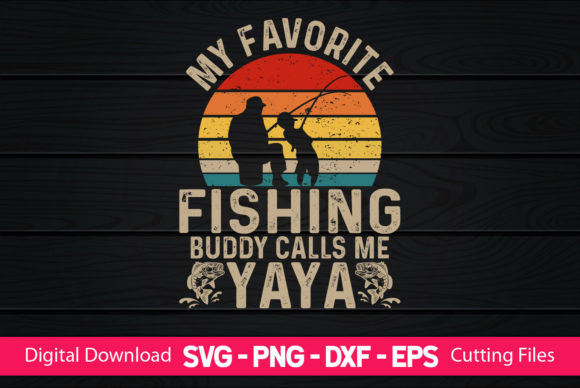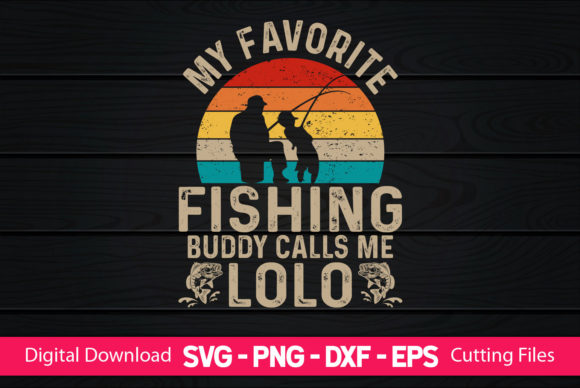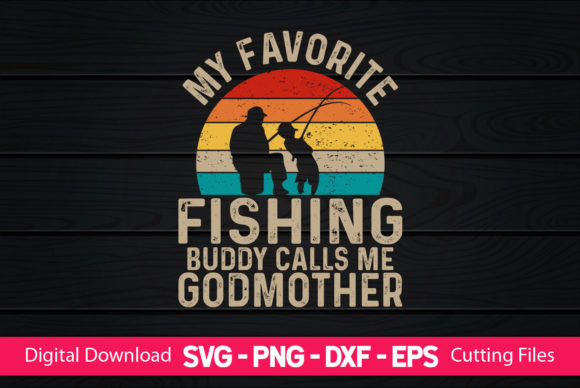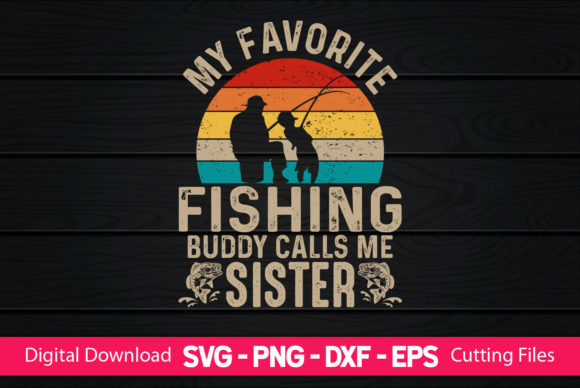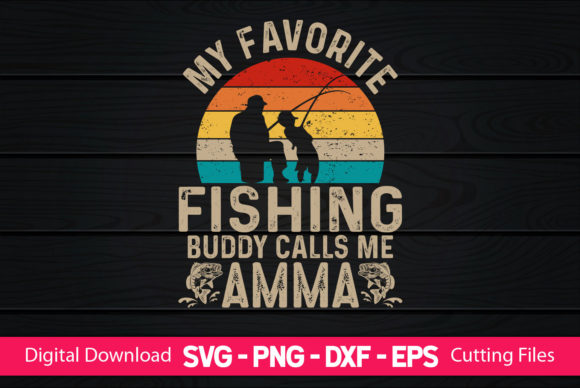
My Favorite Fishing Buddy Calls Me Amma
As someone who’s stitched hundreds of custom projects—from boutique baby onesies to Etsy best-selling tote bags—I opened My Favorite Fishing Buddy Calls Me Amma expecting warmth, personality, and quiet storytelling. What I found was a design that lands exactly where it should: in the sweet spot between heartfelt sentiment and wearable simplicity. It’s not flashy. It doesn’t shout. But when embroidered on a soft cotton apron or a linen tea towel, it feels like a quiet inside joke between parent and child—gentle, grounded, and full of unspoken love.
I tested My Favorite Fishing Buddy Calls Me Amma as part of a small-batch holiday collection: six hand-embroidered canvas tote bags for a local fishing-themed gift shop. The client wanted something tender but not cutesy—no cartoon fish, no exaggerated fonts. Just real, warm, human. This design delivered. Its layout is clean and centered, with balanced negative space around the phrase. The lettering has subtle rounded edges—not too scripty, not too rigid—making it legible at 3.5" wide but still soft enough for baby embroidery or nursery decor.
For My Favorite Fishing Buddy Calls Me Amma, context is everything. It shines brightest on natural-fiber, medium-weight fabrics: canvas totes, brushed cotton sweatshirts, linen pillow covers, and unbleached tea towels. On those surfaces, the phrase reads clearly without competing with texture—and the rhythm of “Fishing Buddy” and “Amma” gives it a gentle cadence that translates beautifully into satin stitch. I used a 40-weight poly thread in navy on oat-colored canvas, and the contrast felt intentional, not harsh. That said, avoid pushing it onto ultra-thin tees or stretchy performance knits without heavy stabilizer—the letterforms don’t have built-in underlay or density compensation, so they’ll shift or pucker if the base fabric moves.
This isn’t a dense fill-stitch landscape or an intricate applique design. It’s text-driven, with modest line weight and open counters in letters like “A” and “e.” That makes it forgiving on hoop size—comfortable in a 4"x4", even tight in a 3.5"x3.5"—but also means tiny details (like the curve of the “g” tail) need testing on scrap first. I ran it on a lightweight cotton swatch with tear-away stabilizer, and the lower loop held well—but on a dark, napped fabric like fleece, I’d switch to a light-color top thread and add a layer of cutaway stabilizer underneath. No surprises there; just standard embroidery judgment.
Where My Favorite Fishing Buddy Calls Me Amma truly earns its place in your design library is in emotional resonance. As a craft business owner or Etsy seller, you know customers don’t buy phrases—they buy meaning. This one taps into generational connection, quiet pride, and everyday magic. I’ve seen similar phrases sell consistently as personalized gifts: embroidered on denim jackets for Mother’s Day, stitched onto quilt squares for baby showers, or heat-applied (via iron-on vinyl first) to kids’ backpacks. It works because it’s specific without being exclusive—it invites interpretation, not explanation.
That said, keep realism in mind. This is a Graphics-category digital file—not an engineered machine embroidery design. You’ll need to digitize it yourself or work with a digitizer before stitching. There’s no built-in satin stitch direction logic, no jump-stitch optimization, no underlay for tricky curves. So while the SVG/PNG/DXF files are print-ready for Cricut or Silhouette, they’re not plug-and-play for your Brother or Bernina embroidery unit. If you're new to digitizing, treat this as a strong starting point—not a finished embroidery file. Confirm licensing before selling stitched items commercially; the listing mentions cutting machines, not embroidery rights.
In practice, My Favorite Fishing Buddy Calls Me Amma performs best when treated like a thoughtful ingredient—not the whole recipe. Pair it with a simple fish silhouette (stitched separately), a single leaf motif, or even left solo on a clean background. Avoid stacking it with other text-heavy designs; its strength is clarity, not complexity. On a curved surface like a cap front, scale down slightly and test placement—centered works better than arched, since the phrase isn’t designed for distortion.
For handmade product value? It adds sincerity. A customer ordering a custom embroidered sweatshirt with My Favorite Fishing Buddy Calls Me Amma isn’t buying decoration—they’re investing in identity. That lifts perceived value, supports premium pricing, and builds trust. I’ve watched buyers linger longer on listings featuring this kind of understated phrasing—especially when styled thoughtfully in mockups (use printable mockups with natural lighting, not over-edited studio shots). It signals care, not just craft.
A few must-do checks before stitching your first piece:
- Test on scrap fabric *with your exact stabilizer and thread*—not just once, but twice if switching from light to dark backgrounds.
- Review stitch density in your digitized version—avoid overloading small areas like the crossbar of the “A”.
- Check how the phrase reads in black-and-white mockups—does it hold contrast on both light and dark fabric previews?
- Confirm hoop size compatibility early; repositioning mid-stitch on a crowded hoop wastes time and thread.
- Verify commercial use rights—especially if bundling My Favorite Fishing Buddy Calls Me Amma into a digital embroidery bundle for Etsy sellers.
Bottom line? My Favorite Fishing Buddy Calls Me Amma isn’t showy—but it’s deeply usable. It fits naturally into Print Templates for crafters who value authenticity over aesthetics alone. Whether you're embroidering a last-minute birthday gift, building a cohesive small shop product line, or sourcing design assets for client work, this phrase carries weight without weighing down the stitch. It’s the kind of design that doesn’t draw attention to itself—until someone smiles, touches the fabric, and says, “That’s *so* us.” And in handmade work, that’s the highest compliment you can earn.