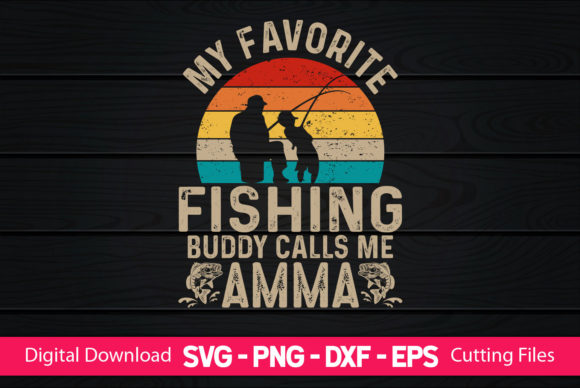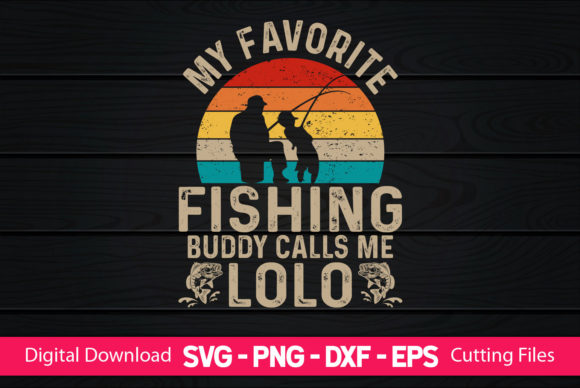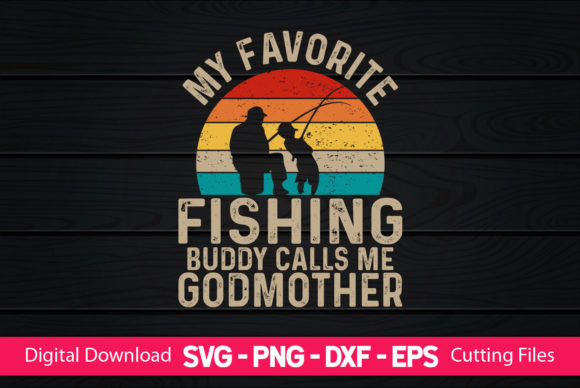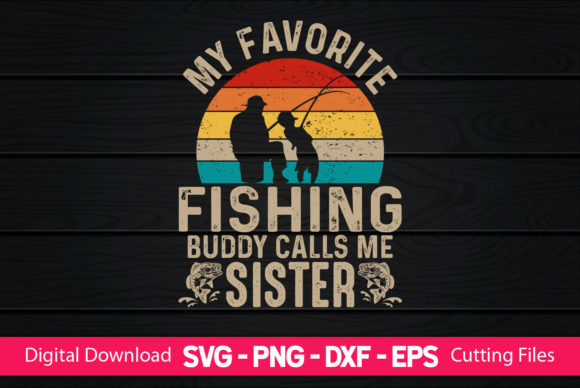
My Favorite Fishing Buddy Calls Me Yaya
As someone who’s stitched hundreds of custom projects—from boutique baby onesies to Etsy best-selling tote bags—I opened My Favorite Fishing Buddy Calls Me Yaya expecting warmth, personality, and quiet storytelling. What I found was a design that lands exactly where it should: in the sweet spot between heartfelt sentiment and wearable charm.
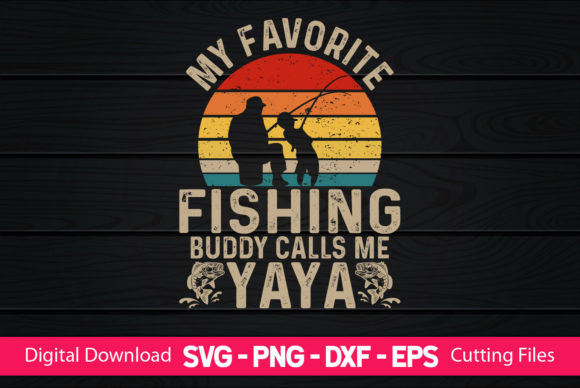
This isn’t flashy or fussy. It’s a gentle, hand-drawn–style phrase with soft curves, relaxed letter spacing, and subtle fishing motif accents—likely a tiny hook, bobber, or line tucked into the “y” or “a.” It reads like something you’d stitch on a sun-bleached canvas tote for your grandkid’s first fishing trip, or embroidered onto the chest of a lightweight linen apron for a lakeside café owner. The mood is tender, proud, and quietly joyful—not kitschy, not overdesigned, and never trying too hard.
I tested My Favorite Fishing Buddy Calls Me Yaya as the centerpiece for a custom embroidered cotton twill tote bag—intended as a Mother’s Day gift for a longtime client who teaches fly-fishing to teens. Right away, the layout worked: the phrase flows naturally across a 4" × 6" hoop, with generous negative space around each word. That breathing room matters. It means no awkward crowding when stitching on textured fabric, and it gives the eye room to land on “Yaya” without rushing past it. In embroidery terms, that’s smart pacing—not just typography, but *stitch rhythm*.
For sweatshirt embroidery? Yes—but choose mid-weight fleece or French terry, not ultra-thin jersey. The design’s moderate height (likely ~3.5" tall at standard scaling) holds up well on relaxed apparel, especially when paired with a light-to-medium satin stitch for the letters and a simple running stitch outline for definition. On baby clothes? Absolutely—just scale down to 2.75" and use a tear-away + cut-away stabilizer combo. The clean lines translate beautifully to onesies and burp cloths, and “Yaya” carries instant emotional resonance for grandparents building handmade keepsakes.
Where My Favorite Fishing Buddy Calls Me Yaya shines brightest is in products meant to be *seen and felt*, not just worn. Think tea towels hung in a cottage kitchen, pillow covers on a screened porch, or embroidered patches sewn onto denim jackets at craft fairs. Its strength lies in authenticity—not perfection. Slight irregularities in stroke weight (common in hand-lettered graphics) read as human, not flawed. That’s gold for small shop owners and Etsy sellers who sell on story, not symmetry.
That said, proceed thoughtfully on curved surfaces like caps or structured hats. The phrase’s horizontal flow doesn’t wrap well around crowns or brims without significant reworking—so unless the file includes a pre-arched version (which isn’t mentioned in the description), stick to flat or gently contoured items. Also, avoid dense fill stitches in the letterforms if using dark thread on light fabric—subtle texture is part of its appeal, but heavy density can mute the softness that makes this design special.
On thin or stretchy fabrics—like ribbed knit tees or lightweight rayon—test first. A single layer of medium-weight cut-away stabilizer is non-negotiable here. And always check how “Yaya” reads at small sizes: those double “a”s and open counters need enough pixel or stitch resolution to stay legible. If your embroidery software shows fuzzy edges in preview mode, scale up slightly rather than forcing clarity through denser stitching.
Visually, My Favorite Fishing Buddy Calls Me Yaya boosts product value by signaling care—not just in execution, but in intention. Customers don’t buy phrases; they buy meaning. When stitched cleanly on a natural-fiber tote or a cozy blanket, it feels like a quiet promise: *this was made for someone real*. That builds trust faster than any tagline. For craft businesses, that translates directly to repeat buyers, photo-worthy unboxings, and organic social shares—especially from proud grandparents and mentors.
From a commercial standpoint, remember: this is a digital embroidery file, not a physical product. As an embroidery designer and reviewer, I treat every download like a raw material—it only becomes valuable when paired with thoughtful execution. Before listing finished items on Etsy or filling wholesale orders, confirm licensing terms. The product description notes it's a digital file for cutting machines (Cricut-ready SVG included), but embroidery use may require separate commercial rights—always verify before selling stitched goods.
Here’s what I do before committing My Favorite Fishing Buddy Calls Me Yaya to a client project:
- Run a test stitch on scrap fabric matching the final garment’s weight and weave
- Compare thread color contrast on both light and dark backgrounds—soft sage or navy works better than stark black on white for this design’s vibe
- Check stitch density in software: aim for 8–10 stitches/mm in satin areas, lighter in outlines
- Confirm hoop size compatibility—most versions will fit a 5" × 7", but verify before hooping expensive fabric
- Inspect corners and junctions (“Y”, “a”, “y”) for potential thread nesting or jump stitches
- Preview in grayscale mockups—this design relies on shape and spacing more than color, so monochrome tests reveal clarity issues fast
- Use proper stabilizer: cut-away for knits, tear-away for stable wovens, and fusible for lightweight linens
As a Print Templates asset, My Favorite Fishing Buddy Calls Me Yaya also works well for printable mockups—think lifestyle shots for your Etsy listings or Instagram posts showing the phrase on a folded towel or rolled-up blanket. Its clean vector foundation (SVG, EPS, DXF) scales smoothly, and the PNG version holds up in digital previews without jagged edges.
In short: My Favorite Fishing Buddy Calls Me Yaya isn’t a trend-chasing graphic. It’s a quietly confident machine embroidery design built for real life—handmade products with heart, personalized gifts that land, and small business merchandise that feels like a conversation, not a transaction. Use it where warmth matters more than wow—and where “Yaya” isn’t just a word, but a welcome.